The Ultimate Overview to Permanent Holiday Lighting for Modern Homeowners
Permanent outside lighting made use of to be a specific niche upgrade, mainly scheduled for large customized homes or business homes that desired a sleek look year-round. That has actually transformed. Today, more home owners are considering Permanent Holiday Lighting as both a benefit feature and a style choice, similar to landscape lighting, safety cameras, or clever watering. The charm is noticeable once you have actually spent a couple of winters climbing up a cold ladder, disentangling strings of lights, replacing half-burned areas, and attempting to make the roofline look even from the street.
What makes long-term systems various is not just that they stay in location. A properly designed arrangement becomes part of the house. During December, it can develop a full vacation screen. In July, it can cast a refined accent laundry for outside suppers. In October, it can change to autumn tones. On ordinary nights, it can remain virtually unnoticeable. That last factor matters greater than many individuals expect. Home owners are frequently thinking about the function, yet they buy based upon appearance. If the product looks large in daylight or https://longtermluminaires905.capitaljays.com/posts/just-how-irreversible-led-lights-installment-adds-beauty-security-and-convenience promotes itself when switched off, interest has a tendency to go down quickly.
This guide is for homeowners who want to recognize just how these systems function, what an appropriate Permanent LED Lights Setup entails, and how to evaluate whether the financial investment makes sense for their home.
What permanent holiday lights really are
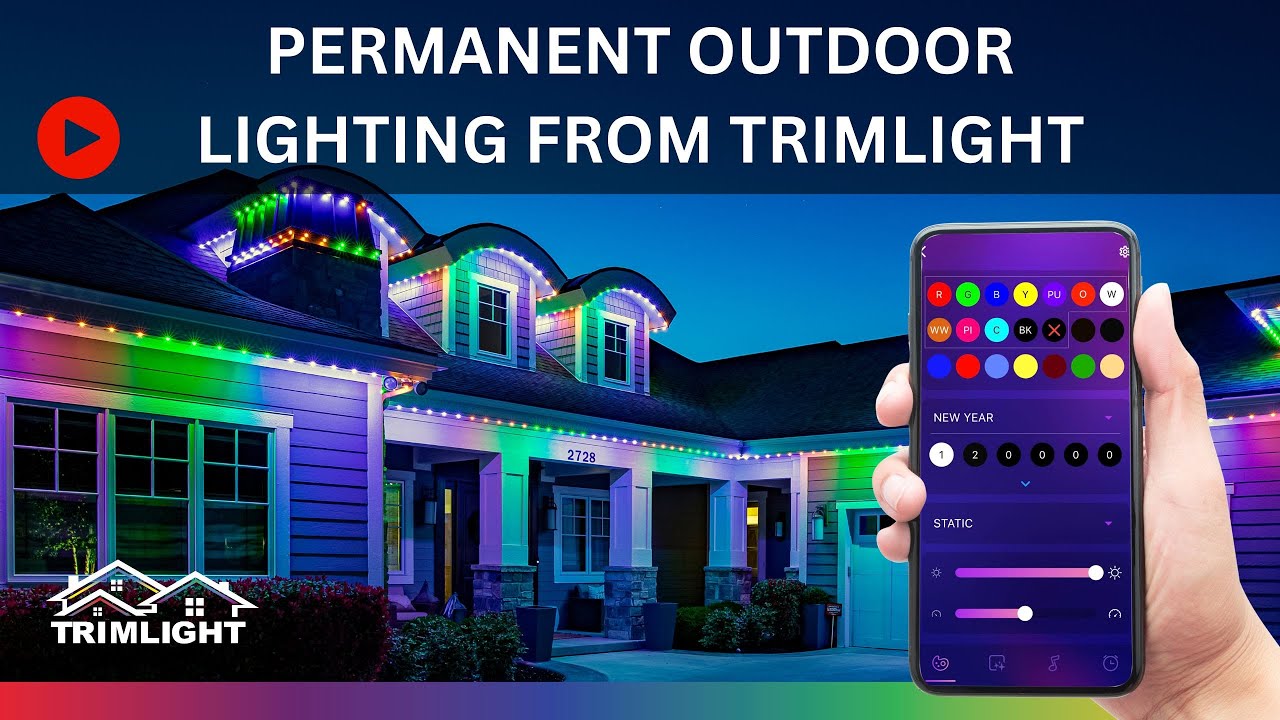
At a basic level, permanent vacation lights are inconspicuous LED lighting systems mounted along the roofline, fascia, soffits, or trim of a home. They are made to remain installed year-round and to be regulated with an app, timer, wall surface switch, or home automation system. A lot of modern systems make use of addressable LEDs, which means specific lights or little teams can alter shade separately. That unlocks to chasing after results, fixed scenes, scheduled programs, and seasonal presets.
The essential distinction is that not all long-term lights products are implied for the very same use. Some are constructed mostly for joyful color and animation. Others lean toward building accent illumination. The best residential systems typically bridge both categories. They can produce lively holiday scenes when wanted, but they additionally provide controlled day-to-day settings that do not make the home look like a motif park.
In technique, house owners tend to use these systems in 3 means. The first is apparent, vacation decoration without the yearly setup and takedown cycle. The second is curb allure, specifically for homes with solid rooflines, gables, or entrance details that take advantage of refined night illumination. The third is sensible way of life usage, such as lighting a patio area side, marking a driveway-facing altitude, or producing a welcoming appearance when guests get here after dark.
Why home owners are making the switch
The best reason is ease, but comfort alone does not describe the development sought after. Individuals are additionally reacting to a few repeating frustrations.
Traditional string lights are short-term deliberately. Clips break. Wind draws lines loose. Sections stop working at the most awful time. Roofing access gets riskier annually, especially for home owners with steep pitches, second-story eaves, or slick composite surface areas. There is likewise the storage trouble. A large home can conveniently produce a number of bins of seasonal illumination, expansion cords, clips, and replacement light bulbs. Even when the easy work, the process is repeated and lengthy.
An irreversible system transforms the whole formula. Once the hardware is mounted and set, the labor changes from physical setup to a few faucets on a phone. House owners can schedule shades for significant holidays, sports occasions, birthday celebrations, neighborhood celebrations, or quiet everyday use. If a youngster desires purple and gold for college graduation weekend break or a family desires red, white, and blue for a summertime party, it takes mins instead of a complete afternoon.
There is additionally a security debate that should not be disregarded. Every service provider that functions around homes has actually seen makeshift ladder setups that invite a fall. Eliminating the yearly rooftop routine deserves actual cash to lots of households, specifically older homeowners or anybody that has already had a close call hanging lights in negative weather.
The design question that matters most: just how it searches in daylight
The most typical blunder people make is going shopping by app attributes before they assess exactly how the equipment disappears into the home. Fancy color scenes are simple to offer. Tidy daytime look is more challenging to achieve, and it is where product high quality and installer skill come to be obvious.
A long-term lights system ought to look intentional, not tacked on. That generally implies the light channel or installing track is color-matched to the soffit or fascia, the wire runs are hidden, and the spacing follows the style of the home instead of a one-size-fits-all pattern. On a white or cream residence, minor inequalities may be barely visible. On dark bronze, black, charcoal, or stained timber outsides, poor matching stands out immediately.
I have seen 2 installments on comparable homes produce completely different impacts. One went away so well that next-door neighbors only saw it the very first time it was activated. The other attracted interest on a daily basis because the track rested happy with the trim, the cable changes were subjected, and the installers did not make up a challenging gable junction. At night, both homes shone. In daytime, only one resembled a premium upgrade.
This is where seasoned judgment matters. A good installer is not just connecting lights. They read sightlines from the road, accounting for trim deepness, preparing corners, and picking installing locations that protect the architecture.
Understanding the light quality
People typically focus on color-changing capability, but the high quality of white light is just as crucial. For many homes, one of the most sophisticated everyday setting is not saturated color in any way. It is a soft white radiance that highlights the roofline without looking rough. That is why numerous property owners ask especially for Traditional Warm Soft Lights. They desire something welcoming and calm, closer to candlelight or conventional incandescent vacation bulbs than the cold blue-white tones typical in older LED products.
Color temperature and illumination control form the feel of your house greater than the majority of buyers realize. An extremely cool white can make stone, stucco, and painted trim feel sterilized. A warmer white often tends to flatter brick, wood, and landscaped facades. Dimmer capability likewise matters. Complete outcome may be perfect for a holiday occasion, but too aggressive for a regular weekday evening. The right system lets you minimize strength and develop scenes that really feel refined rather than loud.
Even with RGB or RGBW systems, cozy whites differ by supplier. Some products simulate warm white with shade blending, which can be appropriate at a range yet may not look as natural up close. Others include a committed white diode that normally delivers a cleaner building outcome. If refined daily usage is very important to you, ask to see the system in person in the evening, not just in advertising photos.
What a proper Permanent LED Lighting Installation includes
A quality installment begins long before the initial hole is drilled. The contractor must examine the roofline, power schedule, trim products, wetness direct exposure, and control area. They need to additionally ask just how you plan to make use of the lights. A household that desires a low-key warm-white accent the majority of the year might require a various design and shows strategy than a house owner that wants animated vacation scenes visible from the end of the block.
The installment itself normally includes a mounting channel or track, low-voltage or line-voltage power components depending on the product, control hardware, and the LED nodes or components. Some systems tuck under the soffit and cast light outside or down in a clean effect. Others rest near the fascia edge for a more specified point-of-light appearance. Neither is inherently better. It relies on the home style and the aesthetic effect you want.
What divides professional job from hurried job is focus to the unglamorous details. Power products require proper positioning and weather condition defense. Infiltrations require securing. Cord runs need stress relief and clean transmitting. Futures need voltage preparation so illumination stays constant from one end to the various other. Corners need to be dealt with nicely, particularly on multi-level homes where shifts show up from the street.
If a contractor can not clearly describe just how they handle these fundamentals, that is an indication. Fancy app trials do not make up for inadequate electric preparation or sloppy coating work.
Homes that benefit the most
Not every home gains the exact same aesthetic benefit. Homes with strong building lines have a tendency to benefit the most, particularly those with clear eaves, front-facing gables, garage optimals, dormers, and covered entrances. A modest home can look striking with a meticulously lit roofline. A huge home with challenging elevations can likewise profit, yet just if the format is selective. A lot more lights do not always imply a far better result.
Some property owners presume every edge has to be lit. In technique, restriction frequently looks much better. Lights just the front-facing architectural components can create a cleaner, much more balanced appearance than covering every side and back edge. That method can likewise reduce cost significantly.
Homes with mature landscape design posture an additional interesting case. If trees already mount your home and landscape lights is doing several of the work at ground degree, the long-term roofline illumination ought to enhance that effect as opposed to overpower it. The nicest jobs normally really feel layered. The house shines gently above while path lights, uplights, or porch fixtures manage the lower aesthetic field.
Cost, value, and what drives the price
Permanent illumination systems are not impulse acquisitions. Installed rates differs extensively based upon item kind, home size, roof covering complexity, color ability, and labor access. A straightforward single-story installation will certainly set you back far less than a two-story home with high pitches, numerous peaks, and long terms. In wide terms, homeowners typically come across pricing that varies from numerous thousand dollars for smaller homes to well past that for large custom-made residences.
The main price drivers are not mystical. The footage of the roofline matters. So does the variety of corners, heights, levels, and power areas. Item high quality matters, particularly in the track, LEDs, control system, and weather condition resistance. Labor can turn sharply based on gain access to obstacles. A tidy ranch home with easy ladder positioning is one point. A tall home over irregular grade with delicate landscape design is another.
Whether the system includes resale value is tougher to measure directly, however aesthetic appeal and convenience do affect buyer assumption. Also when a seller does not recoup the full installation expense in an official appraisal sense, a well-executed system can assist a home feel more existing and better looked after. That can matter in an affordable market.
For property owners determining whether the financial investment is justified, the far better contrast is typically not against one season of short-term lights, however against years of repeat investing, storage space inconvenience, ladder risk, and irregular outcomes. If you currently pay for yearly holiday light setup, the mathematics ends up being less complicated to justify.
The functions worth paying for
Not every marketed attribute deserves equal interest. Some serve weekly. Others are mainly display room material.
Here are the functions I would certainly prioritize when assessing systems:
- Reliable application control with organizing that really works
- Clean track style that mixes with the home in daylight
- Quality warm-white performance, specifically if you want Traditional Cozy Soft Lights
- Solid service warranty support on both product and installment labor
- The capability to separate zones or develop straightforward custom scenes without frustration
An unusual number of homeowners care a lot more concerning the second and 3rd things than the computer animated results. That comes to be clear after the holidays. Once January passes, the system either resolves right into your home beautifully or it begins to seem like a pricey novelty.
Common mistakes customers make
The initially mistake is picking totally by rate. Lower-cost systems can be appealing on paper, yet if the track discolors, the app is unsteady, or the installation looks obvious in daylight, the cost savings discolor quickly. Outside items reside in warm, chilly, wind, wetness, and ultraviolet direct exposure. Those conditions penalize cheap materials.
The second error is buying way too much brightness. Individuals see a remarkable nighttime demo and assume even more output means much more value. On a real neighborhood street, extreme brightness can look industrial or perhaps irritate close-by homes. Good lighting needs to fit the scale of your home and the context of the block.
The third error is ignoring service access. One way or another, a controller might require updating, a power supply may require replacement, or a section might need medical diagnosis. A thoughtful setup leaves functional gain access to factors and files the format. A negligent one hides everything behind completed surfaces and produces headaches later.

The 4th error is neglecting exactly how the system will be utilized from February with October. If your only goal is December lighting and you are not curious about building or seasonal usage the rest of the year, you should be truthful regarding that. Permanent Holiday Lights still might be beneficial, however the worth equation changes.
Color scenes versus timeless appeal
One of the greatest design choices is whether you want a system that leans lively or one that leans architectural. There is no wrong response, however the choice impacts product choice and installment design.
Animated shade scenes are excellent for vacations, celebrations, and family events. Youngsters like them. Next-door neighbors notice them. They can make the home feel vibrant and celebratory. The trade-off is that some scenes age quickly, and not every homeowner desires that degree of aesthetic power outside the holiday season.
Architectural scenes are quieter. Cozy whites, amber tones, and refined laundries tend to make a home feel completed and upscale. If your home has quality materials such as natural stone, cedar accents, brickwork, or detailed trim, controlled lights typically does even more justice to those products than continuous movement and saturated color.
The most effective systems offer you both, then make it very easy to utilize restriction. That balance is one factor committed long-term systems have actually come to be extra enticing than short-lived strands or improvisated smart light bulb setups.
Questions to ask before employing an installer
A brief discussion with the installer can reveal a lot. You do not require to sound technical. You simply require to ask practical concerns and pay attention for clear answers.
Use these questions as a filter:
- How will the track and wire runs be hidden on my particular roofline
- What does the system resemble during the day when it is off
- How are power materials and controllers shielded from weather
- What parts of the service warranty are handled by you versus the manufacturer
- Can I see a local installment at night and, ideally, in daylight
Experienced installers usually address without hesitation and will certainly mention trade-offs you had ruled out. If the discussion stays vague or transforms quickly right into a sales pitch regarding shade impacts, maintain looking.
Maintenance and long-term ownership
One reason home owners like these systems is that maintenance is typically light, but light upkeep is not the like no upkeep. Outside illumination still benefits from routine assessment. Leaves can gather around parts. Serious weather can worry connections. Software updates might be needed for the controller or app. If you reside in an area with extreme sunlight, freeze-thaw cycles, or salt exposure near the coastline, worldly quality comes to be especially important.
The great information is that well-installed systems generally do not require a lot from the homeowner. A yearly visual check, occasional cleansing near accessible areas, and timely attention if a zone acts oddly are often sufficient. If the installer offers a service strategy, it can be rewarding, especially for larger homes.
It is likewise wise to save setup paperwork. Keep pictures of controller places, power supply gain access to, and any kind of surprise joint points. That info is useful years later, especially if you paint outside trim, change soffits, or hire various other professionals for roof covering and fascia work.
How irreversible illumination fits a modern-day home
Modern property owners expect technology to eliminate friction from daily life. That does not imply every clever attribute is beneficial. Some come to be tricks. Irreversible exterior lighting often tends to stick because it fixes an actual problem while additionally boosting the look of the home.
There is a psychological side to it also. Outside lighting changes how a home really feels when you draw into the driveway after dark. It forms impressions for visitors. It can make an ordinary weeknight really feel a bit much more deliberate. Throughout the holidays, it recovers something many families have lost, the capacity to decorate magnificently without turning it into a weekend-long project.
The toughest jobs are not the ones with the most dramatic app screenshots. They are the ones where the lighting feels incorporated right into your home, where the installer respected the style, and where the home owner can shift from cheery color to Standard Warm Soft Lights without the system ever before watching out of place.
If you are thinking about a Permanent LED Lights Installment, take your time with the design and with the installer selection. Take a look at actual homes, not just item reels. Stand nearby in daylight. Ask exactly how the system will certainly age. Think about how you desire the house to feel the majority of evenings of the year, not just on major holidays. That is the frame of mind that usually results in a result you will certainly appreciate for a lengthy time.